
Outstanding Warrants in Dooly County
The Dooly Sheriff Warrants & Civil Division states that it handles all outstanding and active warrants handed down by the Superior, Magistrate, and Probate courts. That describes the division's job, nothing more. The page is a plain service page with no names, no search fields, no filters, no downloadable list, and no update date, so it cannot tell you whether a warrant exists. For your own status, call the sheriff at (229) 645-0920 and ask which court must confirm the record. A city traffic or ordinance case may sit with a municipal clerk instead. And if a warrant came from another county, verify it with that issuing county, even where Dooly County officers can serve it.
No Dooly Active Warrant Roster
Dooly County publishes no official active-warrant list. The sheriff posts no roster, and no county page offers a name search. That silence proves nothing about how many warrants exist. It simply means no local count or update schedule can be trusted, and no one should point you to a search button that is not there.
Myth and fact:
Myth: no online row means no active warrant. Fact: Dooly County uses a phone, court, and records-custodian route instead of a public roster.
Third-party sites fill the gap with lists, arrest posts, and mugshot pages. None of them is Dooly County's record. Entries can be incomplete, stale, or cut off from the court action that changed a warrant's status, so treat them as leads at best.
The Dooly County Active Warrant List
Suppose Dooly County someday publishes a warrant list. It would still be a snapshot, not a live feed. A judge or court process creates the warrant, law enforcement then serves it, and the status can end through service, a voluntary surrender, or a judge's recall. Publishing a name does not create the warrant. Pulling a name off a web page does not prove a court order either. No local office has stated how often a list would update or how complete it would be, so ask hard questions. When was it pulled, which courts are included, and what does each status label mean? A list that skips municipal warrants or the newest filings cannot support any countywide conclusion about Dooly County. Note: Confirm both the sheriff's service record and the issuing court's docket before treating a Dooly County warrant as closed.
Dooly Status Check Across Courts
Warrant records in Dooly County live in different offices, so know which one holds yours. The Superior Court Clerk, at (229) 268-4234, keeps the Superior Court filings. Magistrate Court, reached through the county's current page at (229) 268-4217, handles warrant applications, minor crimes, and first appearances. Probate Court also takes citation payments locally. Municipal courts keep their own traffic and ordinance matters. The county office directory helps you name the right court, but call or check the office's current page before you drive over. One caution: the county-linked nCourt listing contradicts the newer-looking Magistrate page on staff and contact details.
- Identify the likely court and gather a legal name, birth date, case number, or citation.
- Call the sheriff about active service status.
- Ask the issuing clerk about docket status and judicial recall.
- Contact the other county if the warrant originated outside Dooly.
- Record the source and confirmation date without sharing private data.
Active Warrants: What They Show
Dooly County posts no sample active-warrant row. If you request a record from the office that holds it, ask for the fields it can release. Do not assume a local warrant-number format or a bond schedule, because none is published.
| Identifier | A case, citation, or warrant number; use OFFICIAL RECORD NUMBER only as supplied by the agency. |
|---|---|
| Subject match | Name and birth date used to distinguish records, subject to redaction and access rules. |
| Issuing court | The court with authority over the warrant and underlying case. |
| Basis | The alleged charge, missed appearance, or unmet court duty. |
| Status | Active, served, recalled, cancelled, or another term defined by the custodian. |
| Bond or instruction | Only the current court-set term, if public; no Dooly schedule was found. |
Dooly Active, Served, and Recalled
Tie every status label to the office and the date that gave it to you. In Dooly County, "active" means the maintaining office still treats the warrant as open for service. "Served" means law enforcement executed it, though the case itself may continue. "Recalled" or "cancelled" should reflect action by the issuing authority, not a clerk's guess.
- Active
- Open for service according to the current agency record.
- Served
- Executed by law enforcement, with the underlying case continuing as required.
- Recalled
- Withdrawn by the issuing court through judicial action.
- FTA
- Failure to appear, a common basis for a bench warrant after a missed setting.
A payment receipt is not a status term. Paying a fine or citation in Dooly County does not automatically end a warrant, so ask whether the judge must still recall it.
Dooly County Warrant Roundups
Dooly County runs no announced warrant roundup, amnesty day, recall docket, or clearing event. The Sheriff's official news page carries traffic-grant items and older arrest material, but a news post is not the launch of an active-warrant list or a campaign. That distinction matters. A real program would name the sponsoring agency, the dates, who qualifies, what court action is required, any fees, and an official contact. Until Dooly County publishes those terms, stick with the normal chain: the sheriff and the issuing court. For the difference between a broad active record and a selective public-safety feature, see the Dooly County Most Wanted reference.
One Court Lists It, Another Does Not
One office can show a record another has never seen. Each agency answers a different question. A municipal clerk sees the city citation case, the Superior Clerk keeps the court file, and the sheriff tracks only the warrants it received for service. A fresh court order also takes time to travel between offices in Dooly County. When accounts conflict, ask each source for its record date and its role. Was the warrant active? Did service occur? Did a judge sign a recall, or was a payment merely accepted? Get each answer from the office that holds that record, and never ask one agency's staff to resolve another agency's file without checking the originating court.
Key point: A missing row, portal receipt, or verbal reference is weaker than dated confirmation from the issuing court and sheriff.
Dooly Records and GCIC Access
The Georgia Crime Information Center serves authorized criminal-justice users, not the public. It is not a statewide active-warrant list anyone can search. The GBI's public criminal-history process will not run a live warrant check either, so Dooly County residents still need the sheriff or the issuing court.
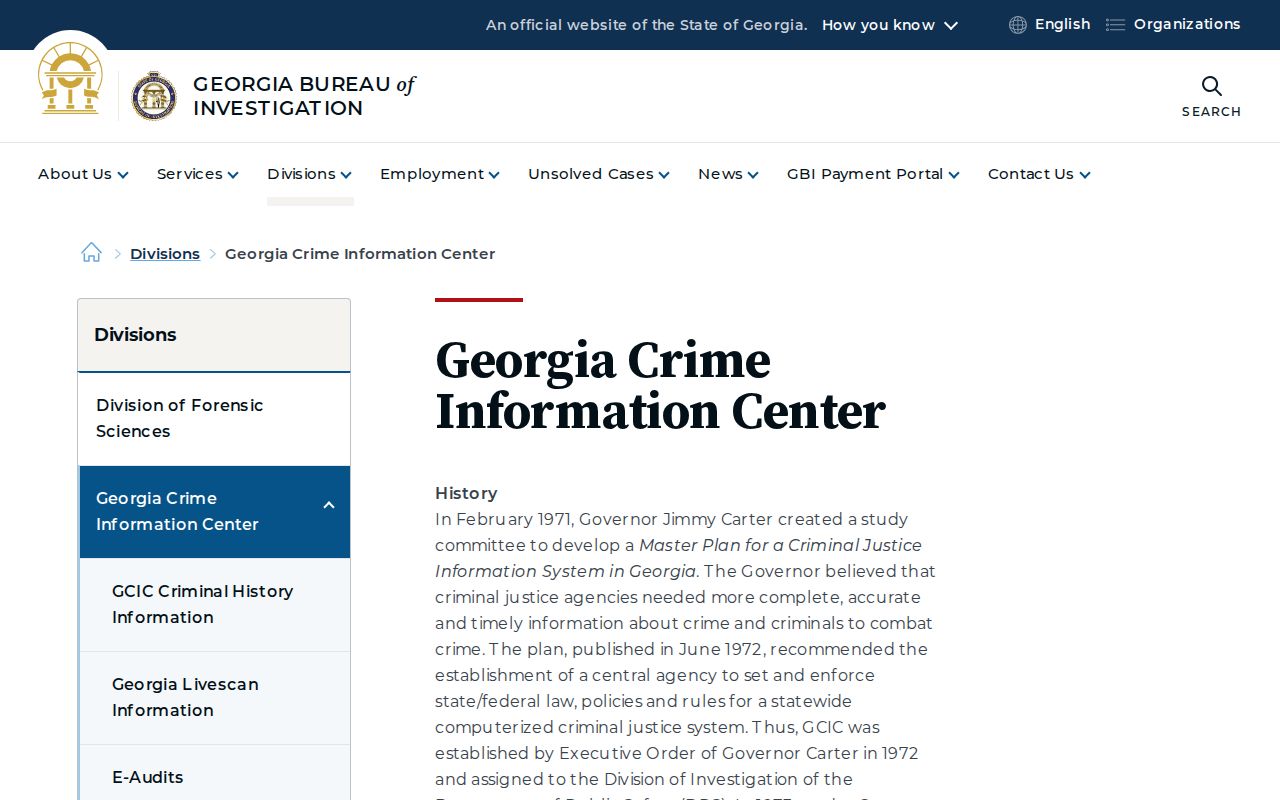
Georgia.gov points warrant questions back to the county level, so a Dooly County warrant check starts with the sheriff. For docket confirmation, contact the Dooly court that issued the warrant.
Finding Your Own Name on the List
Dooly County publishes no warrant list, so the real task is confirming your own status. Call first. Ask whether staff will answer by phone, what identification they want, and what happens if you walk in with an active warrant. Georgia's own guidance warns that an in-person warrant check can end in immediate custody. A lawyer can call the Dooly County sheriff and the issuing court, test whether the record is current, and ask about voluntary surrender, bond, a hearing, or a recall. Never treat a missing online result as all-clear. And a tip line is for tips, not personal status checks.
Important: Do not try to evade or confront law enforcement. Obtain counsel and current instructions from the Dooly County warrant office and issuing court.
Dooly County Active Warrant Records Requests
A written request can ask Dooly County for policy documents, blank forms, field definitions, update practices, or aggregate active-warrant counts. Send it to the office that holds the material. Sheriff service records sit with the sheriff. Court-file records sit with the clerk. The Georgia Attorney General recommends putting requests in writing and says a custodian who withholds material must name the exemption. Ask for non-exempt portions and redaction where needed. A private-person roster is no substitute for a warrant status check, so do not request one. Dooly County publishes no annual warrant count, dashboard, copy fee, or update schedule. Assume no figure and no response date.